
Beyond Aesthetics: What Defines High-Performance Commercial Flooring?
Walk through almost any completed commercial building and one of the first things people notice is the flooring.
Its color.
Its texture.
Its pattern.
Its visual impact.
Yet the most successful commercial flooring installations are rarely defined by how they look.
They are defined by how they perform.
For architects, designers, developers, general contractors, facility managers, procurement teams, and ownership groups, commercial flooring is no longer simply a finish material selected near the end of a project. It is an operational asset that directly influences building longevity, occupant safety, maintenance costs, business continuity, and long-term financial performance.
The difference between flooring that simply looks impressive on day one and flooring that continues performing for decades lies in a combination of intelligent specification, coordinated procurement, expert installation, and lifecycle planning.
At Reflor, backed by Tagwall's vertically integrated operational infrastructure, we believe commercial flooring should be treated as critical building infrastructure—not decorative surface finishes.
Because when flooring performs exceptionally, entire buildings perform better.
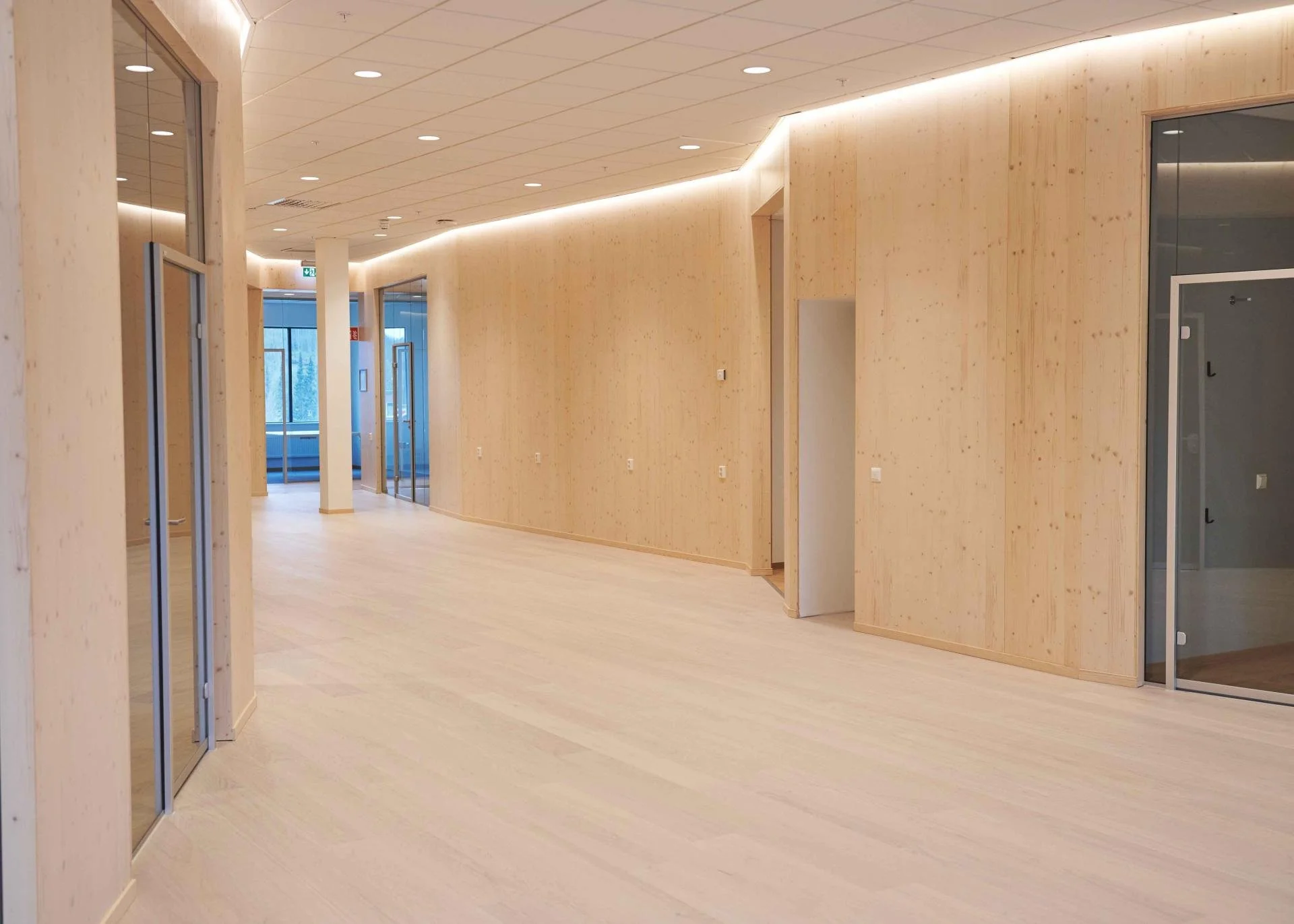
The Shift from Finish Material to Building Infrastructure
Historically, flooring has often been viewed as one of the final aesthetic decisions within a construction project.
Design teams focused on:
* Colour palettes
* Interior styling
* Brand expression
* Texture
* Pattern
* Visual continuity
These elements remain important.
Beautiful spaces matter.
But commercial buildings demand far more than visual appeal.
Every flooring system becomes part of the building's operational ecosystem.
It affects:
* Occupant safety
* Building maintenance
* Cleaning costs
* Acoustic performance
* Moisture management
* Indoor air quality
* Facility uptime
* Future renovations
* Warranty compliance
* Asset longevity
This changes the conversation entirely.
Instead of asking:
"Which floor looks best?"
Leading project teams ask:
"Which flooring system will continue performing under real operational conditions ten years from now?"
That distinction separates decorative thinking from infrastructure thinking.
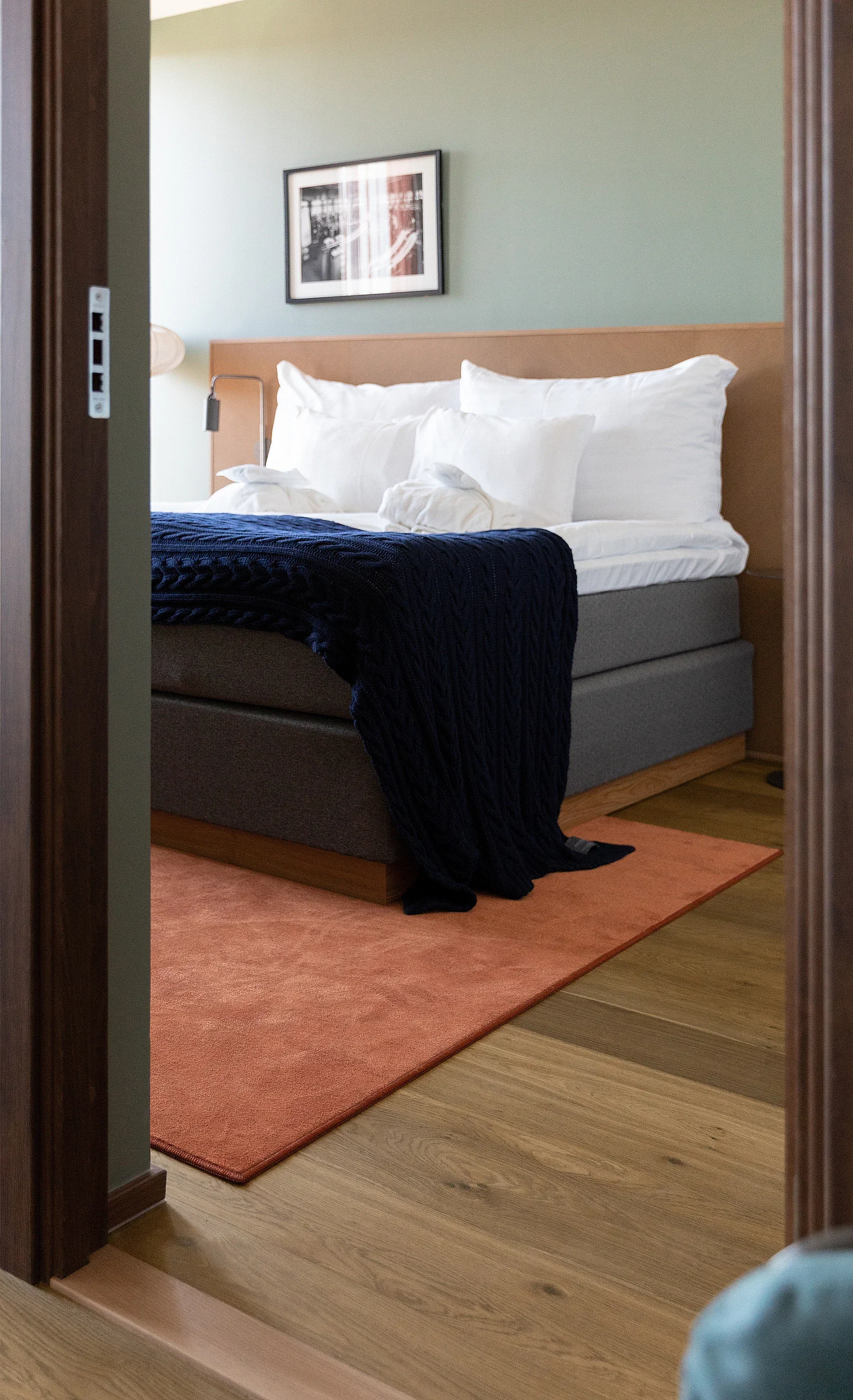
Performance Begins Long Before Installation
Many flooring failures are incorrectly blamed on installation.
In reality, failures usually begin much earlier.
Performance starts during specification.
Every commercial environment places unique demands on flooring.
Healthcare facilities require:
* Infection control
* Seam integrity
* Chemical resistance
* Hygiene compliance
Education facilities require:
* High impact durability
* Easy maintenance
* Noise reduction
* Safety
Corporate workplaces require:
* Brand consistency
* Flexibility
* Minimal disruption
* Long-term appearance retention
Industrial environments require:
* Heavy load resistance
* Abrasion performance
* Chemical durability
* Operational resilience
Hospitality spaces require:
* Luxury aesthetics
* High traffic resistance
* Guest comfort
* Rapid maintenance
Each environment demands different technical performance characteristics.
Choosing flooring based solely on appearance ignores the operational realities the flooring will experience every day.
Durability Is More Than Surface Wear
When people hear durability, they often think about scratches.
Commercial durability is significantly more complex.
High-performance flooring must withstand:
* Constant foot traffic
* Rolling equipment
* Furniture movement
* Moisture exposure
* Cleaning chemicals
* Temperature fluctuations
* UV exposure
* Heavy point loads
* Operational abuse
A floor may appear visually flawless during installation but fail prematurely because its performance characteristics were never matched to the building's operational requirements.
True durability considers:
Structural Integrity
Can the flooring maintain stability under continuous use?
Dimensional Stability
Will it expand, contract, or shift over time?
Moisture Resistance
Can it tolerate environmental moisture without failure?
Chemical Resistance
Can maintenance teams clean it properly without damaging the material?
Repairability
Can damaged sections be replaced without disrupting entire facilities?
Durability is engineered—not assumed.
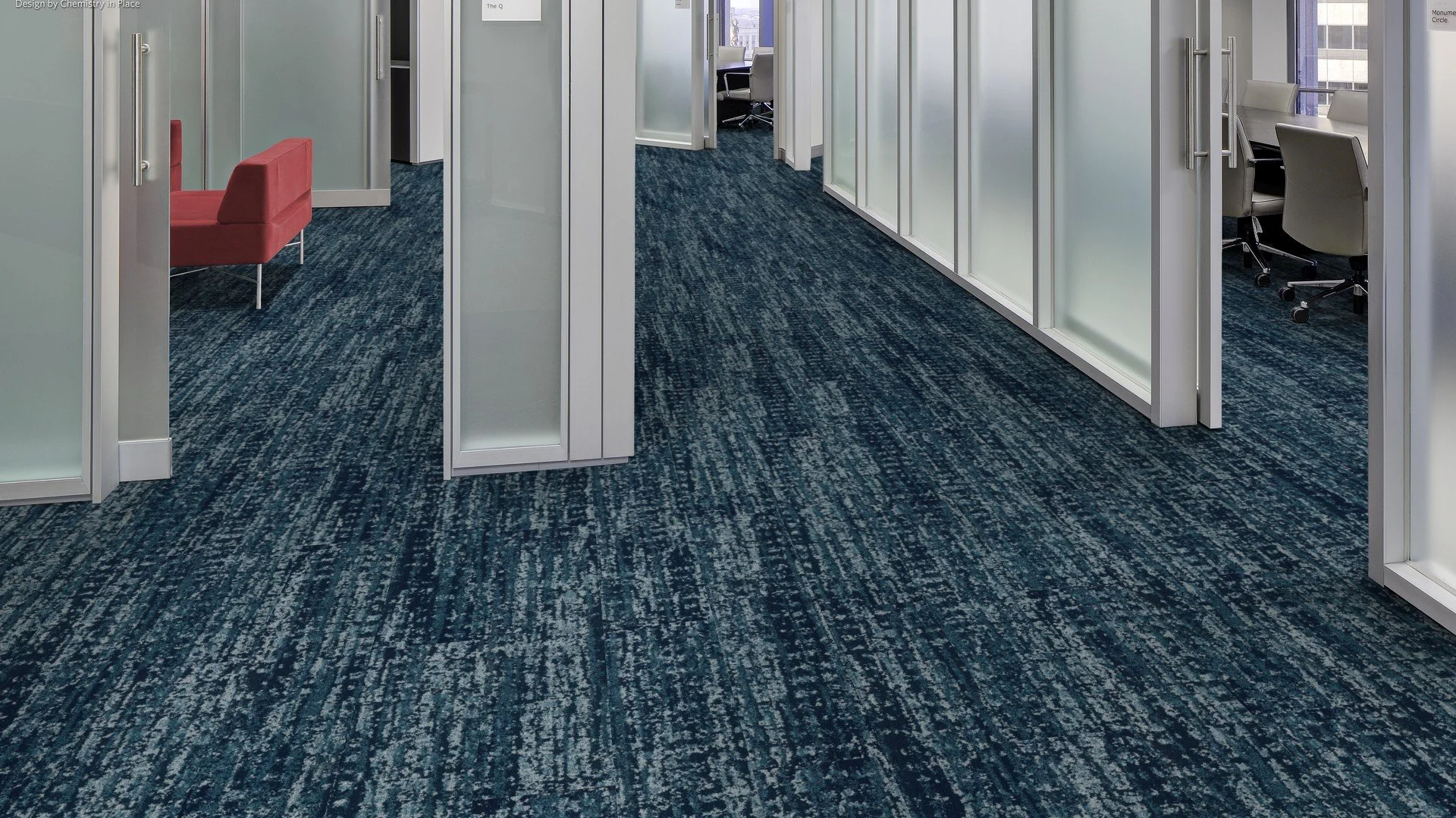
Lifecycle Performance Matters More Than Initial Cost
One of the most common procurement mistakes is evaluating flooring purely on upfront cost.
Lowest installed price rarely equals lowest lifecycle cost.
Commercial ownership groups increasingly evaluate flooring through Total Cost of Ownership (TCO).
This includes:
Initial Investment
Maintenance Costs
Operational Downtime
Repair Frequency
Replacement Costs
Business Disruption
Labour
Facility Lifespan
A flooring product that costs marginally more during construction may save hundreds of thousands of dollars over its service life.
Lifecycle thinking transforms flooring from an expense into an investment.
Maintenance Is Part of Performance
The best flooring systems are designed with maintenance in mind.
Every cleaning cycle influences lifecycle performance.
Questions that matter include:
* How often does it require stripping?
* Can standard maintenance teams maintain it?
* Does it require specialty chemicals?
* How quickly can repairs be completed?
* Will maintenance interrupt building operations?
Poor maintenance compatibility increases operational costs long after construction is complete.
Specification decisions made today affect maintenance budgets for years.
Installation Quality Protects System Performance
Even premium flooring materials can fail when installation lacks discipline.
Commercial flooring installation requires precise coordination across multiple trades.
Successful execution depends upon:
* Correct substrate preparation
* Moisture testing
* Surface tolerances
* Environmental control
* Material acclimation
* Adhesive compatibility
* Installation sequencing
* Trade coordination
* Manufacturer compliance
Every one of these variables influences long-term performance.
Installation is not simply placing flooring.
It is executing a complex technical system according to manufacturer specifications and project conditions.
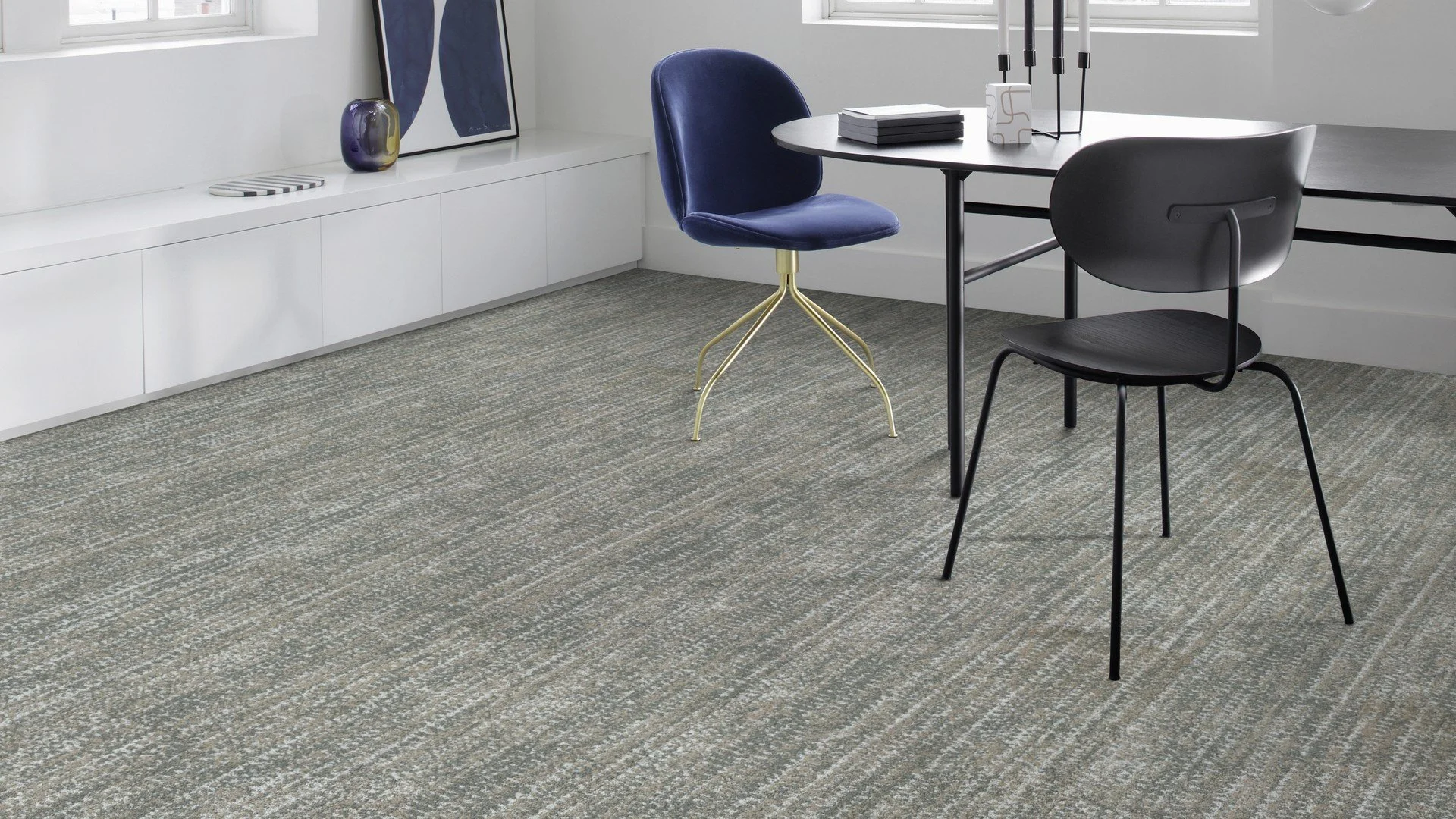
Moisture Remains One of the Greatest Risks
Moisture is responsible for a significant percentage of commercial flooring failures.
Excess moisture can lead to:
* Adhesive failure
* Bubbling
* Curling
* Delamination
* Mold growth
* Surface distortion
* Warranty rejection
Unfortunately, moisture problems are often invisible during installation.
Without proper testing and mitigation, failures may appear months after occupancy.
High-performance commercial flooring programs include comprehensive moisture management long before materials arrive on site.
Ignoring moisture does not eliminate the risk.
It simply delays the consequences.
Specification Accuracy Reduces Project Risk
Commercial flooring specifications must align with actual building performance requirements.
This requires close collaboration between:
* Architects
* Interior designers
* General contractors
* Procurement teams
* Manufacturers
* Flooring specialists
Small specification inconsistencies can create significant downstream problems.
Examples include:
* Incorrect transition details
* Incompatible adhesives
* Unsuitable substrates
* Wrong wear layers
* Incorrect moisture assumptions
* Inaccurate finish schedules
Early coordination prevents expensive corrections later.
Good specifications reduce uncertainty.
Great specifications eliminate avoidable risk.
Flooring Influences Operational Continuity
Once a building becomes operational, flooring continues affecting daily performance.
Poor flooring decisions can create:
* Frequent repairs
* Tenant complaints
* Safety hazards
* Business interruptions
* Increased maintenance labour
* Unexpected capital expenditure
Conversely, high-performance flooring supports uninterrupted operations.
For hospitals, schools, airports, offices, retail centres, and industrial facilities, uninterrupted operation often carries enormous financial value.
Operational continuity is rarely visible.
Until it disappears.
Sustainability Requires Long-Term Thinking
Sustainable flooring extends far beyond recycled content.
True sustainability includes longevity.
Replacing flooring every few years consumes:
* Materials
* Transportation
* Labour
* Disposal costs
* Operational downtime
* Additional carbon emissions
Long-lasting flooring systems reduce environmental impact through durability.
The greenest flooring is often the flooring that does not need replacing.
High-performance systems support sustainability by maximizing service life while minimizing waste.
Procurement Plays a Critical Role
Commercial flooring performance depends upon procurement excellence as much as product quality.
Reliable procurement ensures:
* Correct product availability
* Manufacturer consistency
* Schedule reliability
* Batch control
* Delivery sequencing
* Reduced storage risk
* Installation readiness
Supply chain disruption remains one of the largest risks affecting commercial construction.
Strategic procurement protects project schedules while reducing downstream uncertainty.
When procurement becomes reactive, execution becomes unpredictable.
Accountability Drives Better Outcomes
Commercial flooring involves numerous stakeholders.
Without clear accountability, issues can quickly become difficult to resolve.
High-performance flooring partners provide ownership across every stage of delivery.
That includes:
Planning.
Coordination.
Procurement.
Scheduling.
Execution.
Quality assurance.
Warranty compliance.
Post-installation support.
Accountability creates confidence.
Confidence protects projects.
Why Coordination Creates Performance
Commercial flooring rarely exists in isolation.
It interfaces with:
* Wall systems
* Joinery
* Ceiling programs
* Mechanical services
* Electrical services
* Fire protection
* Furniture installation
* Technology infrastructure
Every interface introduces potential risk.
Coordinated planning minimizes conflicts before they occur.
The earlier flooring specialists become involved, the fewer surprises emerge during construction.
Coordination is one of the highest-return investments available on commercial projects.
The Value of Vertically Integrated Delivery
Managing commercial flooring through multiple disconnected suppliers often creates communication gaps.
Each handoff introduces another opportunity for:
* Miscommunication
* Schedule delays
* Procurement errors
* Quality inconsistencies
* Accountability challenges
Reflor's operational advantage comes from the vertically integrated infrastructure of Tagwall.
Rather than treating flooring as an isolated trade, Reflor coordinates specification support, procurement, logistics, installation planning, execution oversight, and quality assurance through an integrated operational framework.
This connected approach enables:
* Greater schedule reliability
* Better visibility across project phases
* Faster issue resolution
* Consistent quality control
* Reduced downstream project risk
Integration replaces fragmentation.
That difference becomes increasingly valuable on large-scale commercial developments where precision and predictability matter most.
Choosing a High-Performance Flooring Partner
Selecting commercial flooring should involve evaluating far more than products.
The right partner demonstrates expertise in:
* Technical specification
* Commercial procurement
* Risk management
* Project coordination
* Installation planning
* Schedule management
* Manufacturer relationships
* Quality assurance
* Lifecycle thinking
The objective is not simply installing flooring.
It is protecting the performance of the entire project.
When flooring succeeds, occupants rarely notice.
When it fails, everyone notices.
The Future of Commercial Flooring
Commercial buildings continue becoming smarter, more efficient, and increasingly performance-driven.
Owners now expect assets that deliver measurable value throughout their operational life.
This evolution changes how flooring should be evaluated.
Success is no longer measured solely by visual appeal.
It is measured by:
* Operational resilience
* Lifecycle value
* Maintenance efficiency
* Schedule reliability
* Risk reduction
* Occupant experience
* Long-term asset performance
The future belongs to flooring systems that quietly deliver exceptional performance every single day.
Final Thoughts
Exceptional commercial flooring is rarely defined by its appearance alone.
Its true value lies beneath the surface—in specification accuracy, procurement strategy, coordinated execution, lifecycle durability, and operational performance.
Every flooring decision influences how a building functions, how it is maintained, how long it lasts, and how effectively it serves the people who use it.
At Reflor, we believe flooring should never be treated as an afterthought or a decorative finish. It is a critical building system that deserves the same strategic planning and execution as every other essential component of a commercial project.
Backed by Tagwall's vertically integrated operational infrastructure, Reflor partners with architects, designers, developers, general contractors, construction managers, procurement teams, and ownership groups to deliver commercial flooring solutions that prioritize long-term performance, schedule certainty, execution accountability, and operational value.
Because high-performance commercial flooring isn't measured on the day the project is handed over.
It's measured by how well it continues to perform for years after occupancy.